
Winter is coming! This week, flakes of snow have landed in some of ES’s top resorts. The arrival of snow signals a change in the seasons; ski aficionados begin to gather and we finalise the selection process for your team of instructors this winter. We’ve been preparing for the season all summer. You can prepare too, with these top activities for skiing that will help you get ready for winter.
Even when the resort is not covered in snow and packed with people heading to the slopes, our central office in the quaint village of Le Chable stays buzzing with activity : our sales team takes reservations year-round, and the places are filling up!
To help you engage with winter all year round, here are our top activities that you can do in the inter-season to improve your skiing. Our instructors can vouch for them as really helpful for the balance, strength and agility that will take your skiing or snowboarding to the next level.
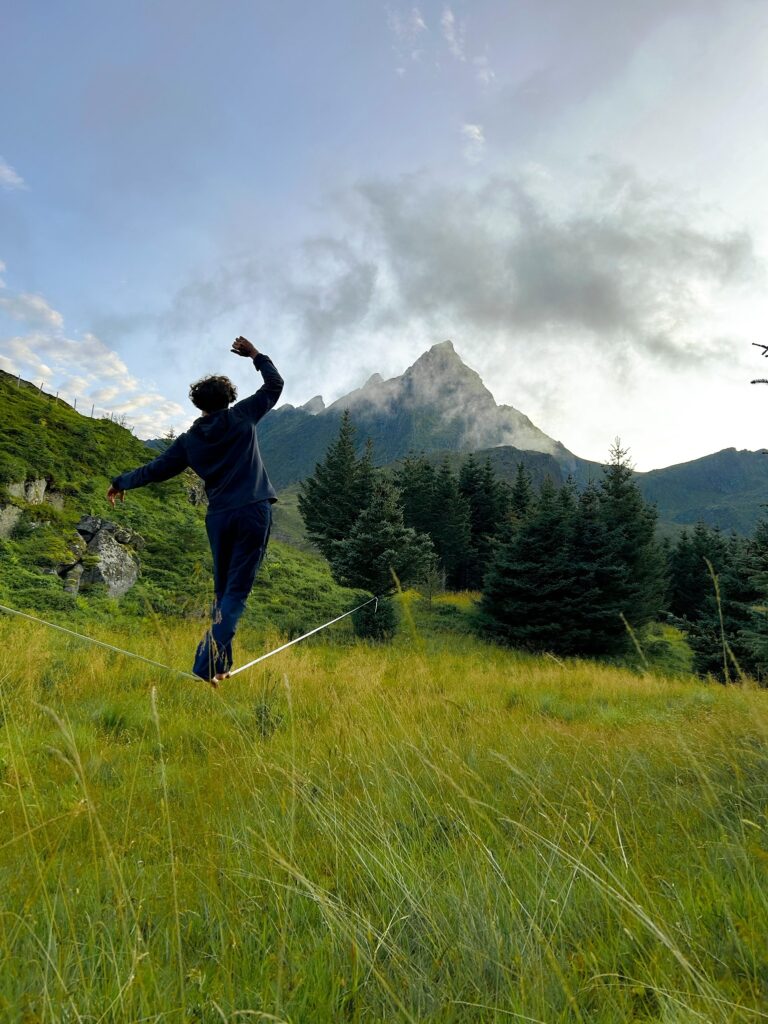
Slacklining
Although it’s not a mainstream sport, slacklining combines many of the key skills of skiing. The art of balancing on a thin strip of fabric suspended off the ground is thrilling, and requires a level of bravery – indeed, conquering your fears is a large part of getting down a slope. Even getting on the slackline is a step towards more confident, improved skiing or snowboarding.
But the mental challenge is by far not the only benefit of slacklining to your skiing. The most obvious benefit to your physical skills will be the much improved balance that comes with practicing slacklining. It’s an activity that requires spatial perception, knowing where your body is and which direction to move it in order to stay balanced and moving forward. Skiing and snowboarding are similar in this way : all your weight is going through small points in your legs and feet. An incorrect sense of balance on the snow won’t necessarily result in dramatic or sudden changes, but it will hinder your progress and style. In slacklining, the feedback is immediate and obvious : you are either on the slackline… or you’re not.
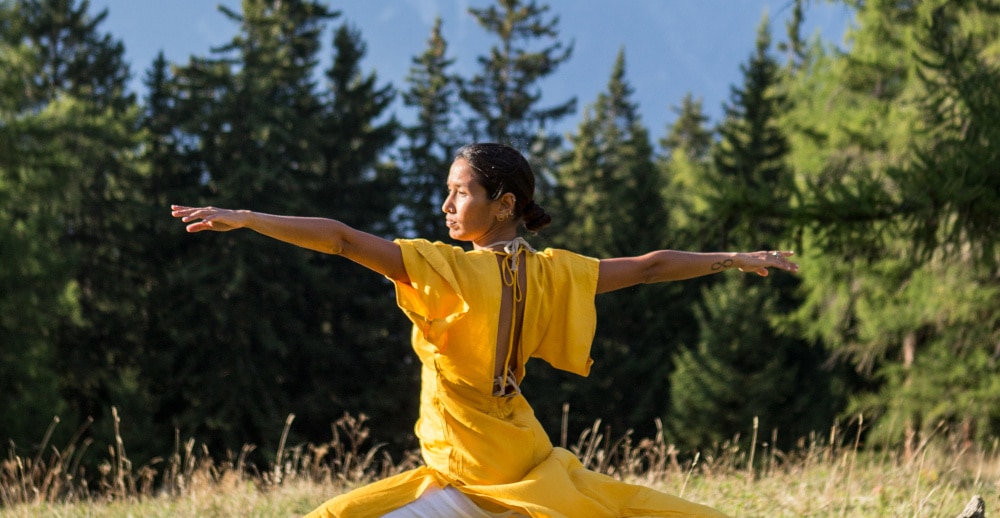
Yoga
Practiced all over the world, yoga is an activity that has exploded in the last decade : studios have popped up worldwide, and according to chatgpt, the most viewed yoga video worldwide has amassed almost 58 million views. It’s something for the adventurer just as much as it is for the worker from home. All it requires is floor space and willingness, so it is unsurprising that this slow, meditative practice has taken over the feed of millions.
Indeed, it’s hard to think of a benefit that yoga doesn’t have : it centers the mind, stretches the joints, and builds the kind of slow strength that is key to maintaining good health into later life. Practicing yoga is less about direct skill improvement, and more about building bodily awareness, learning where your limits lie, and how to push them in a way that pulls you out of your comfort zone, but keeps you safe and healthy. Holding that uncomfortable stretch for ten seconds longer and finding your mental groove can build your confidence and help you remain calm and humble when in difficult situations on the mountain. Of course, if you are with an ES instructor, you won’t be in those difficult situations.
For our summer yoga programme, just get in touch and we are happy to help.
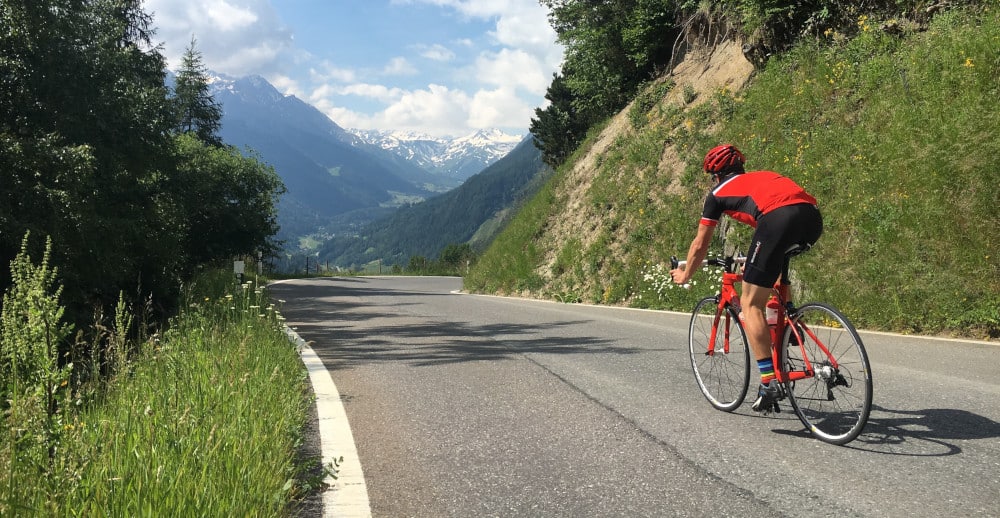
Cycling
We’ve all been there. Panting, sweaty, holding on to the railing for dear life, and looking back at a seemingly harmless set of stairs.
“When did I get so unfit?”.
Office workers typically spend 85% of their day sitting down, which, if not counteracted with regular movement and exercise, can lead to a variety of health issues. Most notably, it contributes to a rapid decline in cardiovascular endurance. This type of endurance is what allows you to keep running or walking for long periods of time: it’s what means that some people can ski the whole slope without stopping, where some might prefer to take a few breaks on the way down.
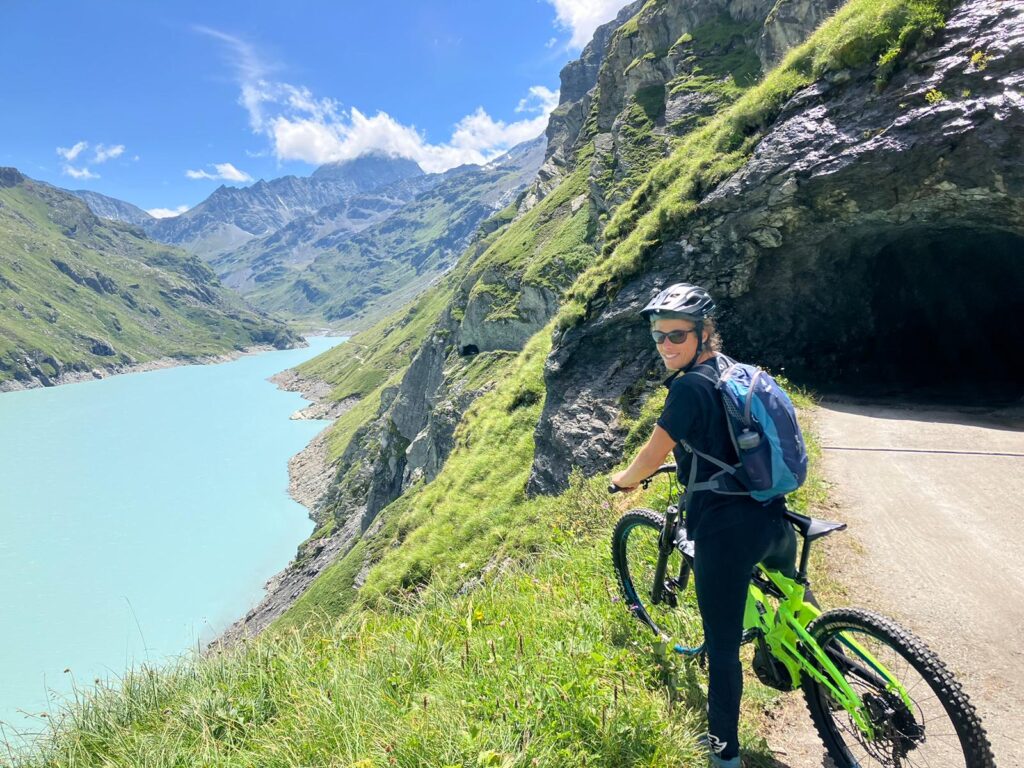
Here, cycling can help. It’s not for nothing that Tour de France cyclists look the way they do : cycling is one of the most leg-heavy sports out there. It requires muscle, fitness, and perseverance. Luckily, if you already own a bike, it’s also remarkably easy to integrate into your daily routine. For the city-dwellers, revolutions in bike design such as the Brompton bike allow you to safely cycle and store your bike, fitting seamlessly into an office commute. As urban awareness of sustainable city development grows, so do the number of cycle paths. This makes cycling in cities safer than ever before! For the more adventurous out there, the development of e-bikes also provides a sweat-free alternative to lugging yourself up a mountain, with more and more people choosing to come to the Alps in the summer as well for some accessible VTTing.
If you would like to improve your technique, or just have someone show you around by road or mountain bike in Verbier, just let us know and we are happy to help.
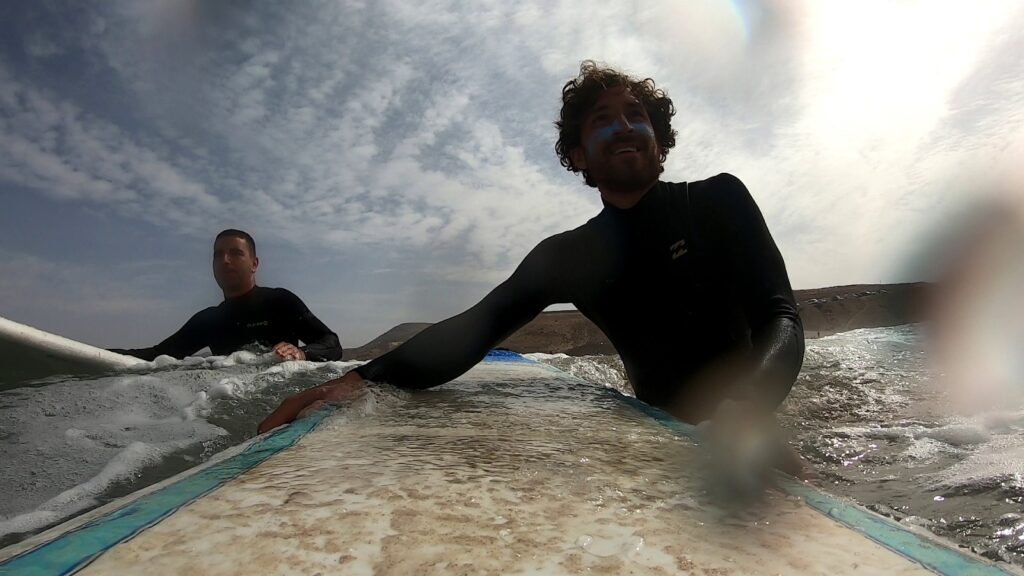
Surfing
A wise man once said surfing is the Yin to skiing’s Yang.
This sport is indeed different to skiing in many ways : it’s a summer activity, for starters. It requires an entirely opposite set of conditions, and couldn’t look more different to skiing. However, behind all its facades of apparent difference, the skill set is actually very similar. If anything, skiing could be a practice sport for surfing. Not only is the surface beneath your feet actually moving when you surf, the sea also decides your speed and the intensity of your run. Where in skiing you can choose to slow down, surfing is all about accepting the conditions you have been given and making the most of them. This laissez-faire attitude has great applications to skiing : sure, the snow might not look exactly how you’d like, but your experience on the water has taught you adaptability.
Surfing is also a summer sport, which makes it perfect for those looking for year-round activity. While cycling may be better suited to cooler summer days, you can surf even on the hottest days of the year, provided you are somewhere with waves. Our instructors have written here about other summer activities they do to complement their skiing – why not take inspiration from the best?
Clara Griffiths, Verbier